Privacy & Experience

We use cookies to optimize your journey through the Athi-Kapiti ecosystem and to understand how our restoration projects are viewed.

Policy
The Naretunoi
Field Reports & Dispatch

The Journal

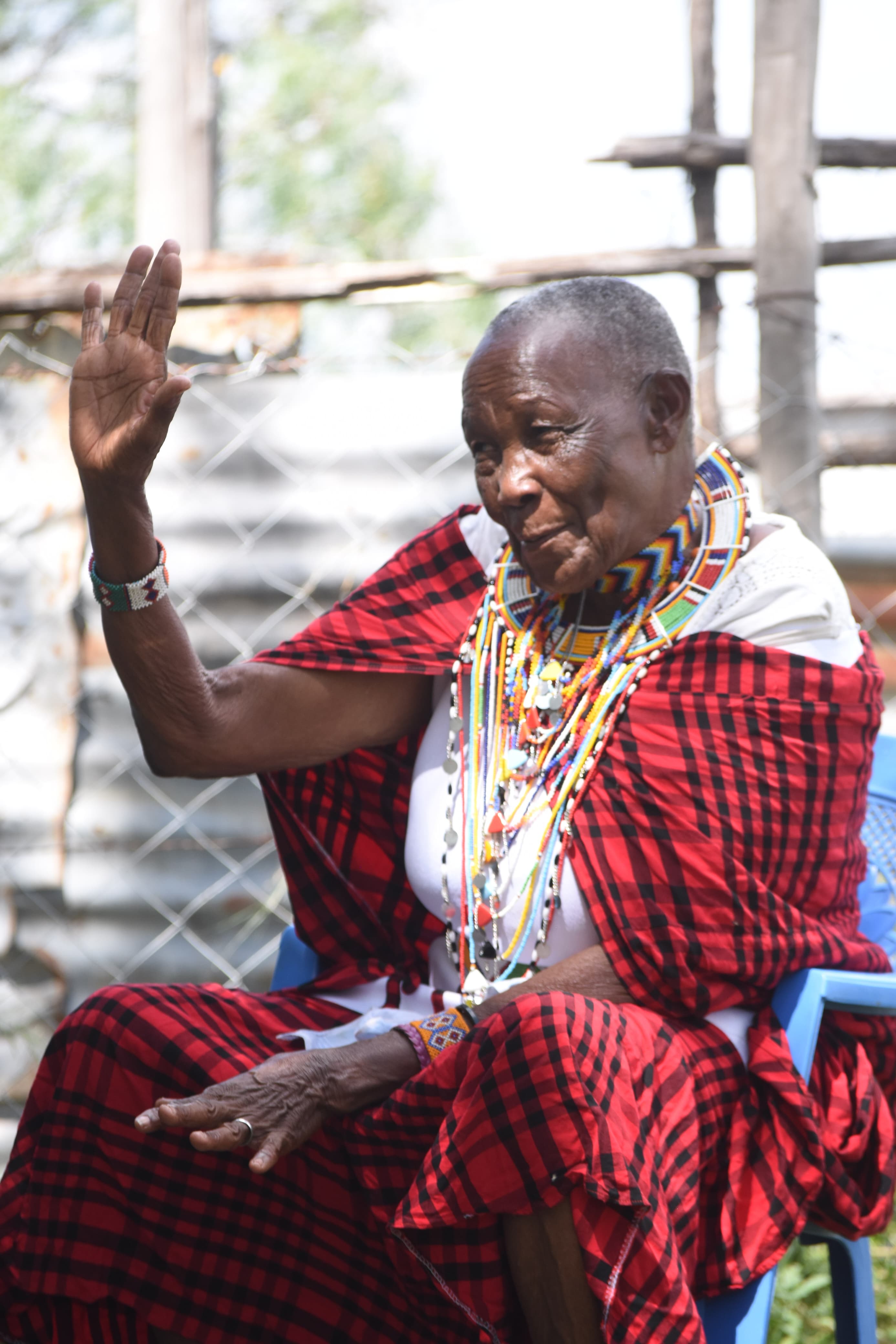
In Loving Memory of Mama Loise Yiamat Matunke Lilah: A Life of Faith, Family, and Legacy in Naretunoi
Latest Entry

July 03, 2026 162 Views

Restoration News

In Loving Memory of Mama Loise Yiamat Matunke Lilah: A Life of Faith, Family, and Legacy in Naretunoi

In Loving Memory of Mama Loise Yiamat Matunke Lilah: A Life of Faith, Family, and Legacy in NaretunoiSome lives are measured not by the number of years lived, but by the countless hearts they touch. The life of Mama Loise Yiamat Matunke Lilah was one such life—a journey marked by unwavering faith, deep love for family, humble service, and an enduring commitment to her community.Last Friday, family, friends, neighbours, and members of the PCEA Church gathered to celebrate and give thanks for a remarkable woman whose legacy will continue to inspire generations. Early LifeBorn in 1945 at Munyurra (Rombo) in Loitokitok, Mama Loise was the firstborn in a family of four children. From an early age, she embraced the values of hard work, humility, and responsibility. Before marriage, she worked as a farmer, building the resilience and determination that would define her life.A Pioneer of NaretunoiLong before Naretunoi became the vibrant community it is today, Mama Loise was among the first families who settled in the area. Together with 59 other pioneer families, she helped lay the foundation of the community that many proudly call home today.As one of the earliest residents of Naretunoi, she witnessed the community grow from its humble beginnings into the place it is today. Her life reflected resilience, patience, and a deep sense of belonging. Those who knew her remember her kindness, hospitality, and willingness to lend a helping hand to neighbours and visitors alike.A Loving Wife, Mother and GrandmotherIn 1960, she married the late Joseph Matunke Lilah, beginning a lifelong partnership built on love, commitment, and faith.Together they were blessed with ten children, who became the centre of her life and greatest source of joy. Her family continued to grow, and she was later blessed with 35 grandchildren, each carrying a part of her love, wisdom, and values.To her children and grandchildren, she was more than a mother and grandmother. She was a teacher, a counsellor, a storyteller, and a source of encouragement whose prayers and guidance shaped many lives. A Woman of FaithMama Loise's greatest strength was her unwavering faith in God.As a devoted member of PCEA Church, she faithfully served through the Women's Guild and actively participated in church ministry for many years. Her life was a testimony of humility, compassion, and faithful service.She encouraged many through her prayers, her gentle spirit, and her willingness to support both the church and the community whenever she could.Her Christian walk reminds us of the words in 2 Timothy 4:7:*"I have fought the good fight, I have finished the race, I have kept the faith."*Strength Through Every SeasonDuring the final years of her life, Mama Loise courageously faced health challenges with remarkable patience and faith.Despite several hospital visits and treatments, she remained hopeful and continued trusting in God's plan. Her courage inspired everyone around her, reminding her family that faith is strongest during life's most difficult moments.Even in suffering, she remained grateful, hopeful, and prayerful.A Legacy That Lives OnAlthough her earthly journey has come to an end, Mama Loise's influence remains alive in the family she nurtured, the church she faithfully served, and the community she helped establish.Her story is one of faith, perseverance, sacrifice, and unconditional love. She leaves behind not only children and grandchildren but also a generation inspired by her example.She will forever be remembered as a devoted wife, loving mother, cherished grandmother, faithful Christian, and one of the pioneering women of Naretunoi.Our FarewellAs the family of the late Mama Loise Yiamat Matunke Lilah, we sincerely thank everyone who stood with us through prayers, encouragement, visits, and acts of kindness during this difficult period.Your love, support, and compassion have strengthened us beyond words, and we remain grateful to every individual, church member, neighbour, and friend who walked this journey with us.Though we mourn her passing, we rejoice in the beautiful life she lived and the lasting legacy she leaves behind. We take comfort in knowing that she has gone to be with the Lord she faithfully served throughout her life.Rest in eternal peace, Mama Loise Yiamat Matunke Lilah.Your faith, your love, and your legacy will continue to shine through your family, your church, and the community you helped build.*"Blessed are those who die in the Lord... they will rest from their labour, for their deeds will follow them."* — Revelation 14:13— Published by the Family of the Late Mama Loise Yiamat Matunke Lilah

Read Full Entry

Jun 08, 2026 97 Views

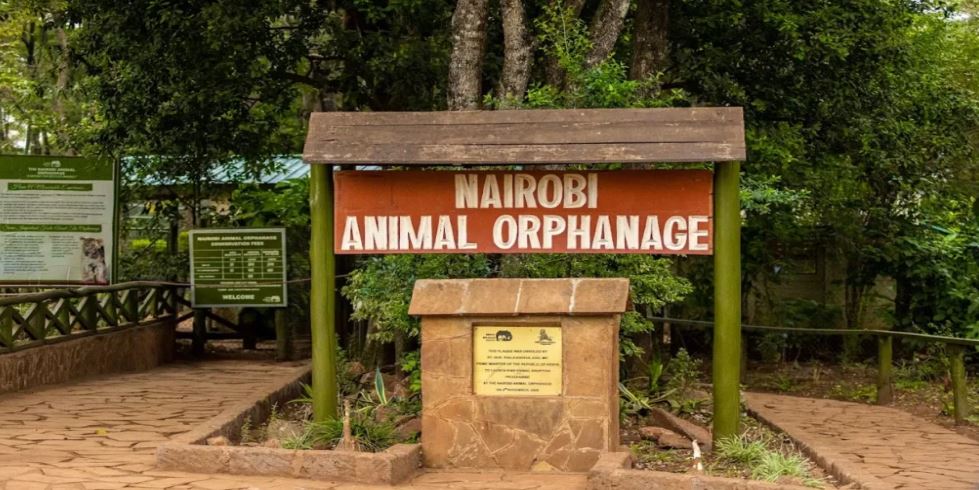
KWS Upgrades Nairobi Animal Orphanage – What It Means for Wildlife Conservation

Kenya Wildlife Service (KWS) has announced plans to relocate and significantly upgrade the historic Nairobi Animal Orphanage, which has served as a rescue and rehabilitation centre since 1964.The current facility occupies 7.4 acres within Nairobi National Park. The new site will expand to 89 acres — still within the park — representing just 0.31% of the park's total area. KWS says the upgrade is driven by increasing wildlife rescue cases that have placed pressure on ageing infrastructure.The upgraded facility will feature modern animal enclosures replacing outdated cage-based structures, expanded quarantine and nursery areas, and improved veterinary services. KWS has outlined a clear care pathway for rescued animals: from initial rescue and veterinary assessment, through quarantine and rehabilitation, to eventual release back into the wild where possible.Addressing concerns raised by conservation groups, KWS clarified that the new facility will be built on open grassland — not forest — and that the existing orphanage site will be restored and revegetated once operations move. An Environmental Impact Assessment was approved by NEMA in 2025, with public participation recording an 85% approval rating.KWS maintains the facility will remain free of commercial activity and open to schools, universities, and the general public.Source: The Star Kenya – KWS defends Nairobi Animal Orphanage relocation, says no park land will be lost (June 7, 2026)
Explore Story →

May 07, 2026 144 Views

Ride Wild, Give Back: Savanna Stride Cycling Experience Comes to Naretunoi Conservancy

Adventure, conservation, and community come together this June as Savanna Stride and Silverback Expeditions present the highly anticipated “Ride Wild. Give Back.” experience at Naretunoi Conservancy.Set against the breathtaking landscapes near Nairobi National Park, this unique outdoor experience will combine cycling, camping, tree planting, nature connection, and unforgettable moments in the wild.The ExperienceThe event is designed for cyclists, campers, nature lovers, photographers, and adventure seekers looking for an exciting escape while contributing to conservation efforts.Participants will ride through scenic savannah trails surrounded by wildlife, open landscapes, and peaceful natural surroundings. Alongside the cycling experience, attendees will also take part in a tree planting initiative aimed at supporting environmental conservation and restoring nature.Whether you are an experienced rider or simply looking for a beginner-friendly outdoor adventure, the event welcomes all fitness levels with flexible ride categories.Ride Categories10KM – Beginner Friendly Scenic Ride20KM – Intermediate Adventure Ride30KM – Extended Wild Trail ExperienceThe routes will offer riders an immersive conservancy experience featuring stunning scenery, fresh air, wildlife sightings, and unforgettable photography moments.Stride Village Camping ExperienceBefore the main ride on June 6th, participants will have the opportunity to join the Stride Village camping experience on June 5th.The overnight experience will include:Camping under the starsCampfire and fellowshipNetworking with fellow adventurersNature photography opportunitiesRelaxing bonfire atmosphereA peaceful connection with natureGuests are encouraged to arrive early and enjoy the full outdoor experience before the cycling event begins.Event DetailsDate: June 6th, 2026Venue: Naretunoi ConservancyEntry Fee: KES 2,200Camping (with own tent): KES 2,000 per personCamping (without tent): KES 3,000 per personMore Than Just a Ride“Ride Wild. Give Back.” is more than a cycling event — it is a movement that encourages people to reconnect with nature while supporting conservation and sustainable outdoor experiences.With breathtaking landscapes, meaningful environmental action, and a vibrant outdoor community, the event promises a memorable weekend escape for both adventure lovers and first-time explorers.“Every ride through nature is a reminder that adventure and conservation can move together.”RegistrationEarly registration is encouraged as camping and participation slots may fill quickly.Participants can register via:Website: chuuuna.com/savannastrideWhatsApp: 0112 650 872Get ready to ride wild, camp under the stars, and give back to nature at one of Kenya’s emerging outdoor destinations.
Explore Story →

Apr 26, 2026 202 Views

Kitengela Corridor Under Pressure: A Fading Migration

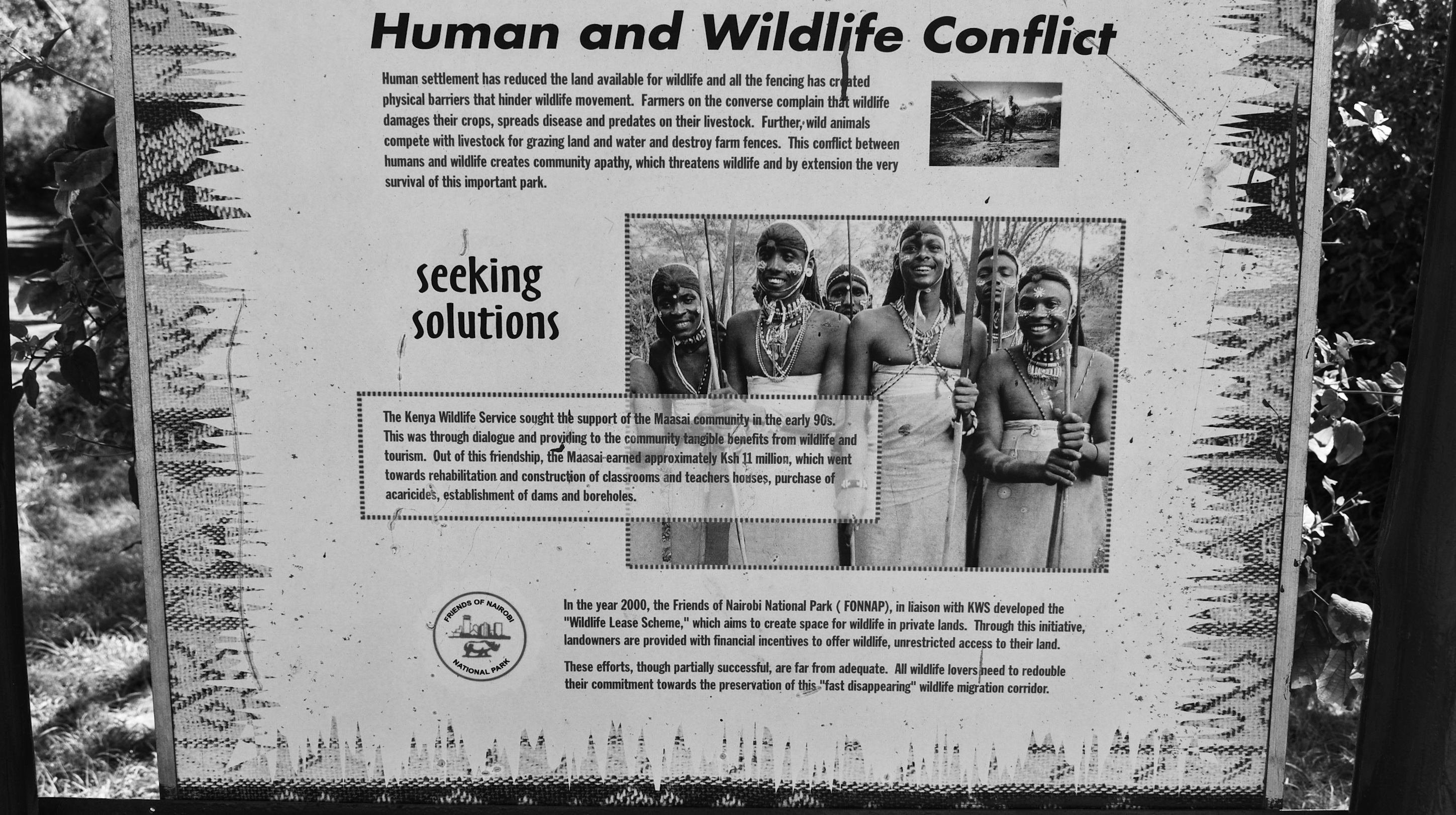
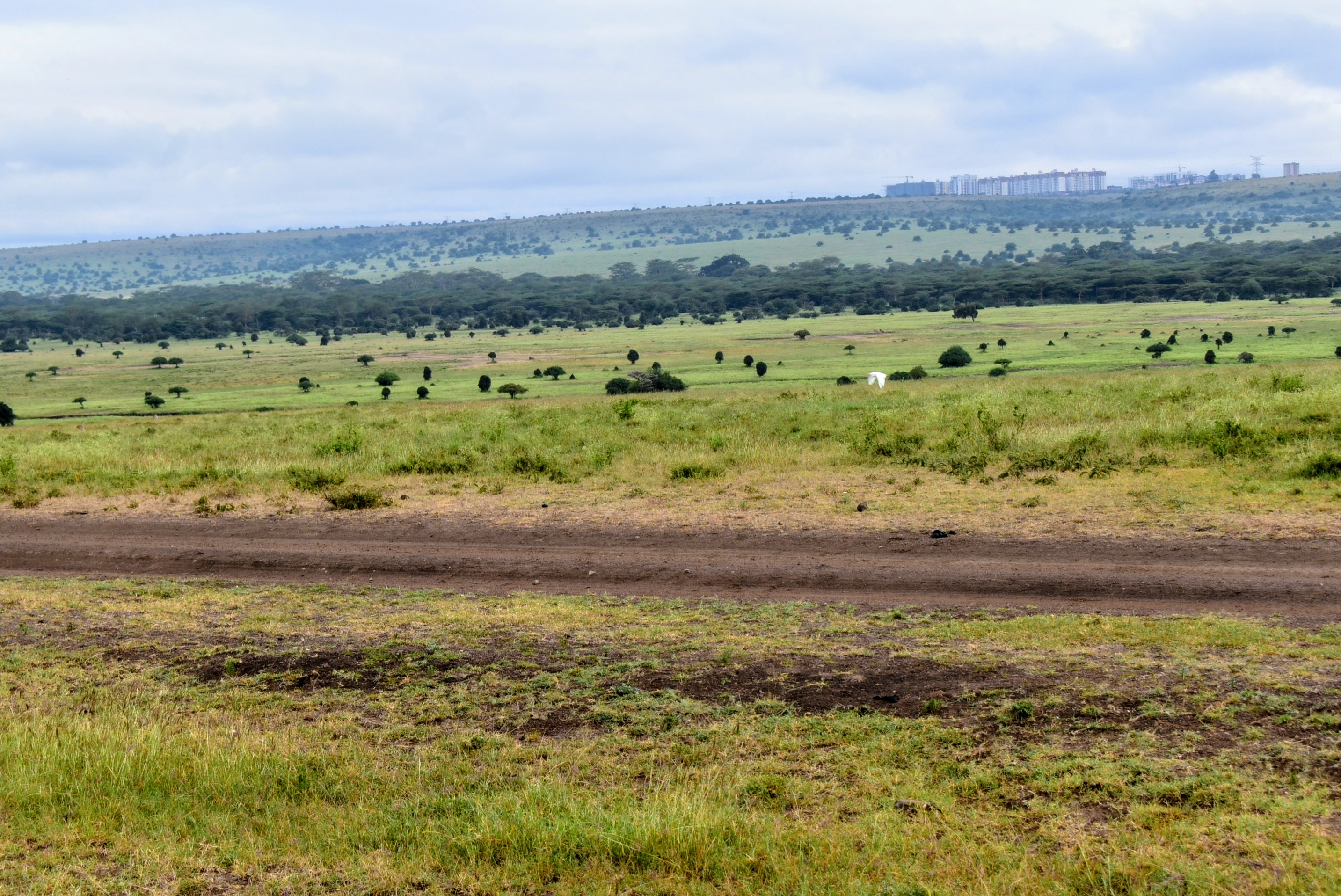
At the border of The Naretunoi Conservancy, near the Hippo Pool area adjoining Nairobi National Park, a weathered signboard quietly tells a powerful story — one of movement, survival, and growing pressure on one of Kenya’s most important wildlife corridors.The Kitengela migration corridor, once a thriving pathway for thousands of wildebeest and zebras, has long served as a critical extension of Nairobi National Park. Historically, vast herds would move freely across these plains in search of pasture and water, creating a seasonal rhythm that defined the landscape.“We used to see thousands moving through here,” recalls a community member. “Today, we don’t experience such numbers.”Over the years, this natural movement has significantly declined. While wildebeest and zebras are still occasionally sighted, their numbers are noticeably lower compared to the early 2000s. What was once a vibrant migration route is now a quieter, fragmented landscape.Several factors have contributed to this shift. Increased human settlement, land subdivision, fencing, and rising grazing pressure have gradually reduced the open space needed for wildlife to move freely. These changes have disrupted traditional migration patterns, limiting access to seasonal grazing areas outside the park.The situation reflects a broader challenge facing conservation areas that border rapidly growing human communities — balancing development needs with the protection of vital ecosystems.Despite these challenges, the area remains ecologically significant. Wildlife continues to pass through, though in smaller numbers, and the land still supports both community livelihoods and conservation efforts.As part of the larger Kitengela ecosystem, The Naretunoi Conservancy plays an emerging role in raising awareness, promoting responsible land use, and bridging the gap between conservation and community development. Through digital storytelling, community engagement, and sustainable tourism initiatives, Naretunoi is working to highlight the importance of preserving remaining wildlife corridors.The story of this corridor is not just about decline — it is a reminder of what is at stake.Without coordinated efforts to protect these spaces, the risk of losing this migration route entirely becomes increasingly real. Yet with awareness, collaboration, and sustainable planning, there remains hope that these pathways can be preserved for future generations.As the signboard suggests, solutions require partnership — between communities, conservation bodies, and all who value the delicate balance between people and wildlife.
Explore Story →

Apr 16, 2026 162 Views

Paradiso: The Lost Wildlife Haven of Naretunoi

In the northern stretch of Naretunoi Conservancy, bordering Nairobi National Park, lies a place many still remember with deep emotion — Paradiso. Known for its breathtaking beauty, the name “Paradiso” was adopted over time, evolving from “Paradise,” as the Maasai community found it easier to pronounce. True to its name, the area was once a thriving haven for wildlife and a cherished landscape for the community.Between the early 2000s and around 2007, Paradiso was rich with life. Cheetahs roamed the open grasslands, buffalo grazed freely, and herds of antelope and gazelles moved across the plains. It was not uncommon for families to visit the area, especially on weekends, to witness the beauty of nature firsthand. For many, these moments created lasting memories — a connection between people, land, and wildlife.“I remember coming here often with my father just to watch the animals,” recalls a community member. “It was full of life.”Perhaps most remarkable was the seasonal movement of wildebeest. Much like the famous Serengeti migration, herds would gather and settle in Paradiso before moving on, using the area as a natural resting point. This made it not only a beautiful landscape but also an important ecological space.However, over time, this vibrant ecosystem began to change. Around 2007, wildlife sightings started to decline. Today, animals such as cheetahs and buffalo are rarely seen in the area, with most now found within Nairobi National Park or only occasionally spotted during early mornings or late afternoons.Several factors have contributed to this shift. Increased human settlement, growing grazing pressure, and the expansion of fencing have gradually reduced the space available for wildlife. While there has been no indication of poaching or direct conflict with livestock owners, the changing use of land has significantly impacted natural wildlife movement and habitat.Today, Paradiso still holds life — though quieter. Gazelles, antelope, zebras, and wildebeest remain common, alongside a rich diversity of birdlife associated with Nairobi National Park. Occasionally, even black rhinos are sighted in the broader area. The land continues to serve multiple purposes, including grazing, tourism, and conservation.The area is community land, partially managed and supported through conservation awareness and digital storytelling initiatives led by Naretunoi Conservancy. Efforts continue to highlight the importance of preserving such landscapes, not only for wildlife but also for future generations.Yet, new challenges are emerging. Encroachment and land subdivision in nearby areas are increasing pressure on already limited grazing and wildlife space. As the land continues to change, questions arise about how much of Paradiso can be preserved.This story is not just about loss — it is about memory, identity, and possibility. Paradiso remains a symbol of what once was, and what could still be protected.As Naretunoi grows as a conservation and community platform, the hope is to restore balance — where wildlife and people can once again share the land, and where places like Paradiso can live up to their name once more.
Explore Story →

Apr 08, 2026 115 Views

Tensions Rise in Naretunoi as Community Confronts Human-Wildlife Conflict and Compensation Delays

A high-tension community baraza held today at Empakasi Church in Naretunoi brought together residents, local leaders, and representatives from Kenya Wildlife Service (KWS) to address the growing concerns over human-wildlife conflict and long-standing compensation delays.The meeting, attended by community members from Empakasi, Sholinge, Oloshaiki, and surrounding areas, revealed deep frustration among residents who say they have suffered losses for years without compensation. Local leaders, including the area chief, MCA, elders, and KWS representatives such , were present to engage with the community.Residents voiced concerns over increasing attacks by wildlife — particularly lions, which were cited as the main threat, alongside hyenas and leopards. These incidents have reportedly led to the loss of livestock, as well as injuries and deaths of domestic animals and, in some cases, harm to people.“Our livestock is our livelihood. We have reported these cases many times, but nothing has come back to us,” one community member expressed during the meeting.Many residents stated that they have not received any form of compensation since as far back as 2010, despite repeated follow-ups and reports. This has created a growing sense of distrust and frustration within the affected communities.In response, KWS representatives acknowledged delays in the compensation process and outlined a proposed structure aimed at addressing pending claims. According to the discussion, compensation efforts are expected to begin with cases from 2026 moving backwards, while older claims will be reviewed progressively. This proposal, however, raised concern among attendees, many of whom questioned how long-standing cases would be handled and whether they would be fairly addressed.Additionally, officials indicated that compensation claims dating from 2022 may be processed soon, although no specific timeline was provided. The lack of clear timelines and guarantees left many residents uncertain, with some expressing dissatisfaction over what they described as continued promises without tangible outcomes.Despite the tension, the meeting also highlighted the importance of collaboration between conservation authorities and local communities. Leaders emphasized the need to find sustainable solutions that protect both livelihoods and wildlife, especially in areas like Naretunoi where communities live in close proximity to natural habitats.Human-wildlife conflict remains a significant challenge in the region, underscoring the urgent need for effective compensation mechanisms, improved response systems, and stronger community engagement.As discussions continue, residents are calling for transparency, accountability, and timely action to restore trust and ensure that conservation efforts go hand in hand with community welfare.
Explore Story →

Apr 07, 2026 275 Views

Breaking Barriers: Nelly Mutunkei Rise as a Female Chief in a

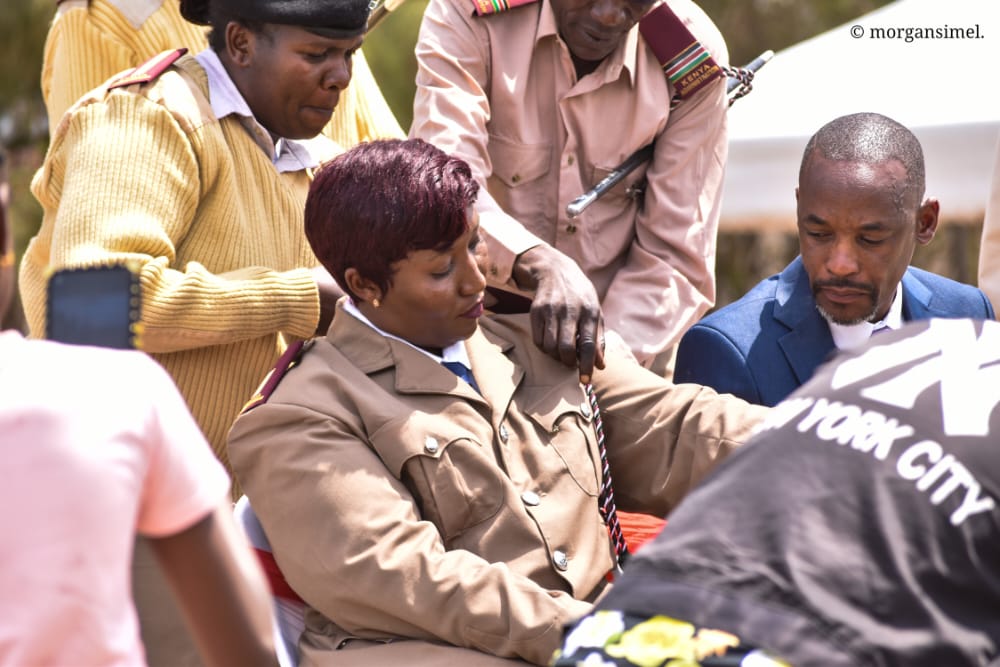
In the heart of Naretunoi conservancy, a quiet revolution is unfolding — led by a woman whose courage is redefining leadership in traditionally male-dominated spaces. Nelly Mutunkei, a Maasai woman in her mid-30s from Athi River, has emerged as a symbol of resilience and transformation after being appointed Assistant Chief in 2022.Raised in a deeply rooted Maasai cultural setting, Nelly grew up understanding the strength of tradition — but also its limitations, especially for women. Despite facing societal expectations that often restricted girls to early marriage and domestic roles, she pursued education with determination, eventually completing her university studies. Her journey alone challenged norms long before she stepped into leadership.Her appointment as Assistant Chief marked a historic moment, as she became one of the first women in her area to hold such a position. However, the path was not easy. In a community where leadership has traditionally been the preserve of men, her rise was met with skepticism and resistance. Some elders questioned her authority, while others doubted whether a woman could effectively handle matters of governance, conflict resolution, and community mobilization.With limited support at the beginning, Nelly chose not to confront tradition aggressively, but to work within it — earning respect through action. She focused on dialogue, inclusion, and consistency. Over time, even her critics began to acknowledge her ability to lead with wisdom, fairness, and strength.Today, her impact is visible across the community. Nelly has become a strong advocate for girls’ education, encouraging young women to pursue their dreams beyond cultural limitations. She has also played a key role in youth empowerment, often engaging young men in conversations about responsibility, leadership, and protecting their heritage in a changing world.Her leadership extends into conservation and digital transformation through her involvement with the Naretunoi Conservancy platform. By supporting community storytelling, promoting local tourism experiences, and contributing to conservation awareness, Nelly is helping bridge the gap between tradition and modern opportunity. She believes that empowering communities economically through conservation and technology is key to sustainable growth.Known for her firm yet compassionate approach, Nelly often emphasizes discipline, purpose, and unity among young people. She encourages young men to rise as protectors of both culture and community, while continuously reminding young women that leadership is not defined by gender, but by vision and courage.Her journey is more than a personal achievement — it is a movement. A movement that challenges norms, inspires a generation, and proves that even within deeply traditional societies, change is possible.As Naretunoi Conservancy continues to grow as a hub for community, wildlife, and opportunity, leaders like Nelly Mutunkei stand at the forefront — guiding the future while honoring the past.
Explore Story →

Apr 01, 2026 176 Views

Naretunoi Conservancy Gains Digital Momentum as a Key Wildlife Corridor Near Nairobi

Naretunoi Conservancy is steadily emerging as a significant community-driven conservation area near Nairobi, gaining visibility across digital platforms and environmental networks. Positioned along the southern boundary of Nairobi National Park, the conservancy plays a crucial role as a wildlife corridor, allowing animals to migrate freely between protected and community lands.Recent online activity highlights growing public interest in Naretunoi. The conservancy has built a notable presence on social platforms, with thousands of followers engaging with its conservation message. This growing digital footprint reflects increasing awareness of its role in protecting biodiversity while supporting local communities.A Strategic Wildlife CorridorNaretunoi Conservancy is recognized as part of a broader ecosystem that connects Nairobi, Machakos, and Kajiado counties. Conservation organizations have identified the area as essential for maintaining wildlife movement, particularly for large mammals that rely on open land beyond the boundaries of Nairobi National Park.By preserving open landscapes and minimizing fragmentation, the conservancy contributes to ecological balance and supports long-term wildlife survival in the region.Community-Led ConservationAt its core, Naretunoi is a community conservancy made up of local households who continue to practice livestock keeping and small-scale farming while committing land to conservation. This model allows coexistence between people and wildlife, demonstrating that conservation can thrive alongside traditional livelihoods.The approach aligns with broader conservation efforts across Kenya, where community involvement is increasingly recognized as key to sustainable environmental management.Growing Recognition and PartnershipsNaretunoi has been featured across various platforms, including conservation organizations, tourism guides, and environmental networks. Initiatives linked to the area include wildlife protection programs, litter clean-up drives, and conservation awareness campaigns aimed at safeguarding critical habitats.The involvement of organizations and conservation stakeholders highlights the increasing importance of Naretunoi within Kenya’s conservation landscape.Eco-Tourism and Local OpportunitiesAs awareness grows, Naretunoi is also attracting attention as a potential eco-tourism destination. Its proximity to Nairobi makes it an accessible location for visitors seeking authentic wildlife experiences without traveling long distances.The integration of conservation, eco-tourism, and Maasai cultural heritage presents an opportunity to create sustainable income streams for the community while reinforcing environmental protection.Looking AheadWith its expanding digital presence and increasing recognition, Naretunoi Conservancy stands at a critical point of growth. Continued efforts in conservation, community engagement, and responsible tourism will determine its future as a model for community-led conservation in Kenya.Disclaimer: This article is published as part of the Naretunoi web application, a knowledge and research platform. It is not the official website or authorized page of the Naretunoi Conservancy.
Explore Story →

Mar 31, 2026 156 Views

Women Leading Conservation: The Story Behind Naanyu CBO and Naretunoi

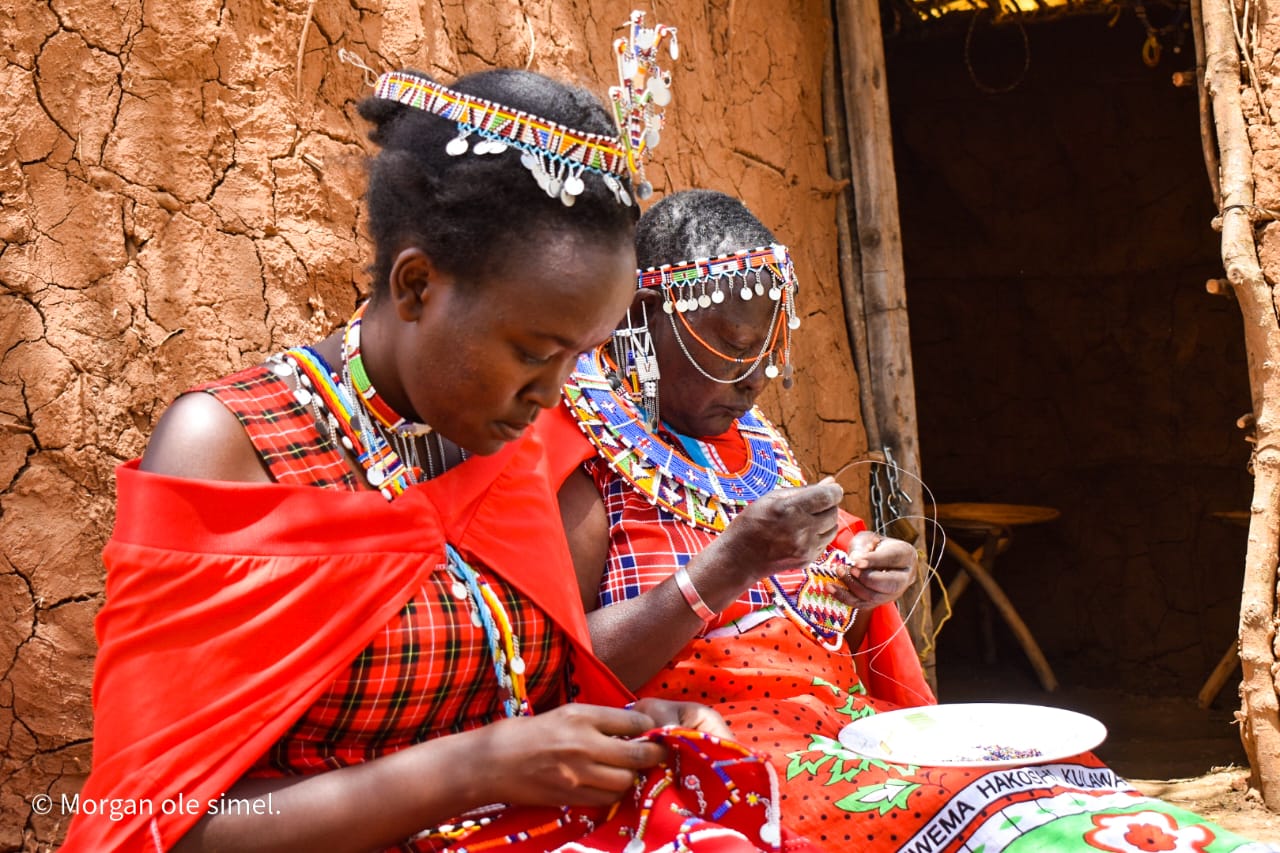
A quiet but powerful movement is taking shape within the Naretunoi landscape—one led by women determined to redefine conservation, community, and economic empowerment.At the center of this transformation is Naanyu Community Development Network (Naanyu CBO), a grassroots initiative established in 2023 in Kajiado County. The organization is focused on empowering women and girls through cultural entrepreneurship, environmental stewardship, and social development.Women as Champions of ConservationNaanyu CBO is built on a simple but impactful belief: when women are empowered, conservation efforts become stronger and more sustainable. By equipping women with knowledge, skills, and opportunities, the initiative is expanding the number of people actively engaged in protecting wildlife and natural ecosystems.Within the Naretunoi ecosystem, this approach is especially significant. Women are not only participating in conservation—they are becoming leaders, educators, and advocates for environmental protection and community resilience.Beading for ChangeOne of the standout programs under Naanyu CBO is “Beading for Change”, which blends Maasai cultural heritage with conservation efforts. Through beadwork and cultural art, women are able to generate income while promoting awareness about wildlife protection and social issues such as gender equality and community rights.This initiative also plays a role in addressing broader challenges, including gender-based violence, early marriages, and limited economic opportunities for rural women.Linking Community, Culture, and LandscapeThe work of Naanyu CBO reflects the three key pillars of sustainability: environmental, social, and economic. By supporting women-led enterprises and encouraging community participation, the initiative strengthens the connection between people and the land.In areas like Naretunoi, where wildlife and human communities coexist, such approaches are essential for long-term conservation success.A Growing VisionWith programs spanning climate change awareness, renewable energy access, and education for girls, Naanyu CBO represents a new model of conservation—one that is inclusive, community-driven, and deeply rooted in local culture.As Naretunoi continues to gain recognition as a unique conservation landscape, partnerships with initiatives like Naanyu CBO highlight the importance of empowering local communities, especially women, as key drivers of sustainable development.Disclaimer: This article is published as part of the Naretunoi web application, a knowledge and research platform. It is not the official website or authorized page of the Naretunoi Conservancy.
Explore Story →
Community Voice Empowering Change

Awaiting Input

The rangers are currently identifying the next priority restoration zones.

Support the Ecosystem
© 2026 Naretunoi Conservancy